


San Francisco City Hall under a wide sky

Industry

Government & Public Sector

Who this is forFor county departments, city agencies and public utilities, and the residents they serve.

The problems

What gets in the way

Bundled paper case files stacked high on shelves
Manual, paper-heavy processes and long cycle times
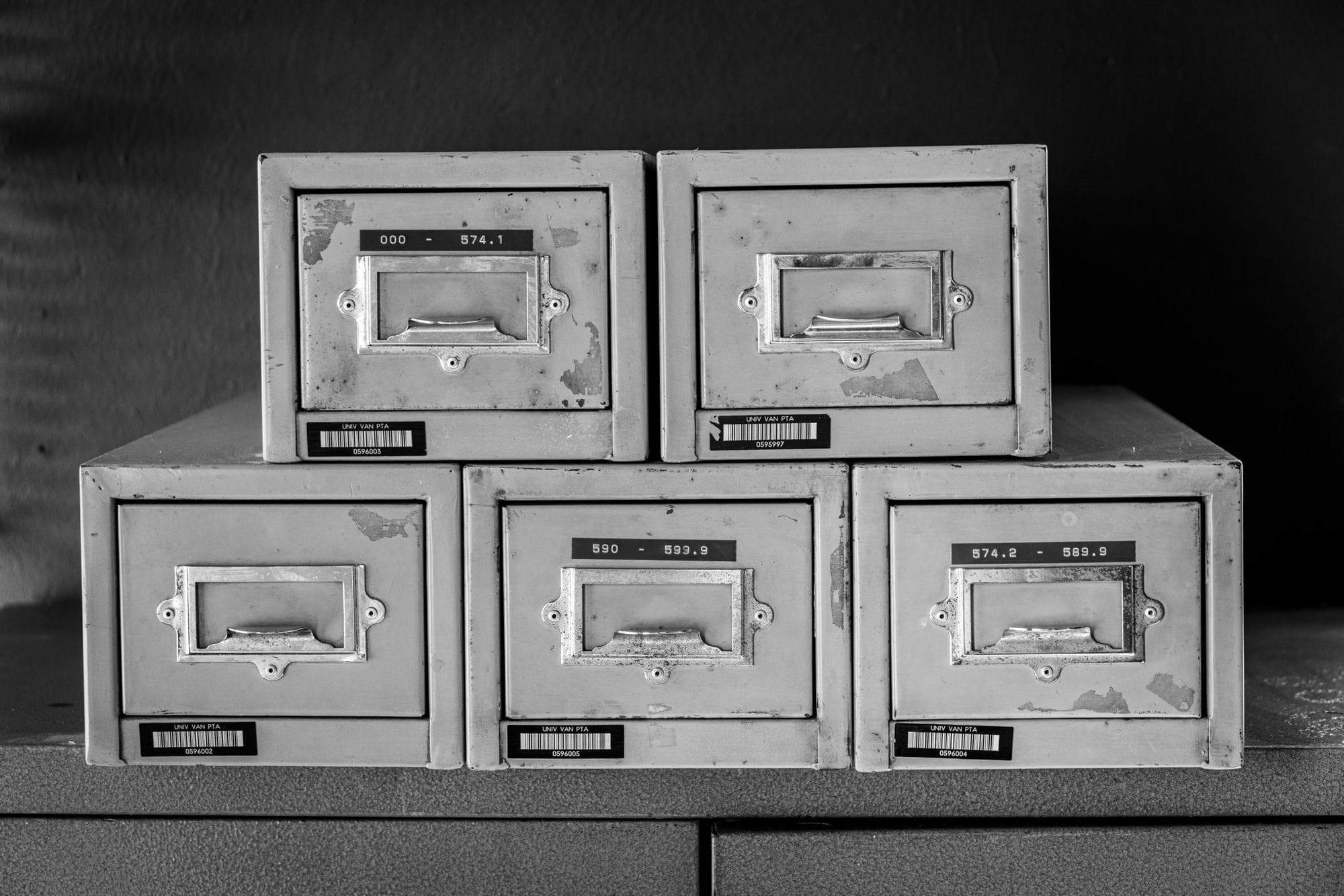
Closed metal record boxes, labelled and stacked
Strict security, privacy, and compliance requirements
An old beige office computer terminal on a desk
Legacy systems that don't talk to each other

How we fix it

  • Secure, compliant automation of high-volume workflows
  • Decision intelligence for operations and citizen services
  • Integration with existing systems of record
The processes we rebuild most often in the public sector →
  1. Application and permit intake

    Online forms that validate as they are filled, attach what is required, and create a complete case in the system of record, so staff review applications instead of chasing missing pages.

  2. Case routing and review

    Each case goes to the right reviewer by type, jurisdiction and workload, with due dates, escalations and a full record of who decided what and when.

  3. Records and public requests

    Requests logged, tracked against statutory deadlines, fulfilled from indexed records, and redacted with the review a records officer requires.

  4. Operational dashboards

    Backlog, cycle time and throughput by department and stage, from live case data, for managers and for the public reports the council asks for.

Read the full write-up →

How public-sector work runs, and what secure automation looks like

A county department, a public utility or a city agency processes the same requests thousands of times a year: permits, inspections, benefit applications, records requests, procurement. Most of that volume still moves through paper forms, PDF attachments and email, re-keyed into a system of record that was procured a decade ago and cannot be changed without a contract amendment. Cycle times are measured in weeks and the public feels every one of them.

The constraints are real. Security, privacy, records retention and procurement rules are not optional, and a vendor who treats them as friction will not last. The mistake most agencies are sold is the opposite one: a large platform replacement that takes years and moves the same paper process onto a screen.

Our public-sector delivery, including county projects with Synchronous Solutions, follows a narrower path. Keep the system of record. Rebuild the process in front of it: intake that validates the application before it is submitted, routing that puts the case with the right reviewer, status the applicant can see, and a decision record that satisfies the auditor without a filing cabinet. Every piece is built to the agency's security and retention requirements from the first day, and the agency owns the code.

Decision intelligence is the second layer. Once requests flow through a system rather than an inbox, an agency can see where the backlog forms, which reviews take longest and why, and forecast staffing against demand instead of reacting to complaints.

What we rebuild here

All 31 →

Questions we get

How do you meet security and compliance requirements?+

By designing to them, not around them. Data residency, access control, audit logging, retention and encryption are decided in scoping with your security officer and built in from the first commit. We work within your cloud tenancy where that is required.

Does the agency own the software?+

Yes, fully. Source code, specifications and commit history are the agency's. There is no licence to renew and no vendor to be locked to.

Can this fit inside procurement rules?+

A scoped, fixed-price first release fits most small-purchase thresholds and cooperative purchasing routes. Larger programs are phased so each phase is separately deliverable and separately priced.

What about staff who are used to the paper process?+

The rebuilt process mirrors what staff already do, with the re-keying and chasing removed. Training is measured in hours, and the old path stays available until the new one has proven itself.

Let's build

What's your AI Nirvana?

Tell us where you want to go. We'll bring the team, build the product, and grow it with you — and you own it.

  • You own the IP
  • US-based team
  • Reply within 1 business day